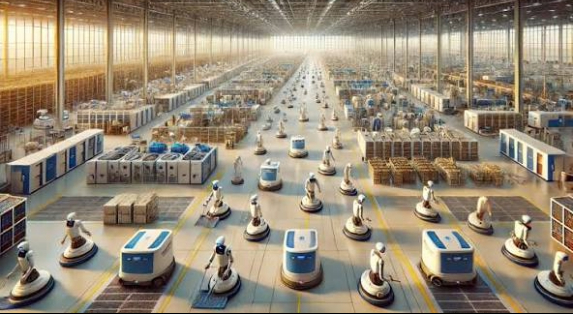
The Role of Technology in Modern Commercial Cleaning Services

Maintaining a clean and hygienic workplace has always been important for businesses. Whether it is an office, retail store, warehouse, healthcare facility, or commercial building, cleanliness plays a significant role in creating a positive impression and supporting a comfortable working environment.
However, commercial cleaning has changed considerably over the years. What once depended mainly on traditional cleaning tools, manual labour, and fixed schedules has evolved into a more efficient and technology-driven process.
Today, modern commercial cleaning services use innovative equipment, smart systems, and advanced cleaning methods to deliver better results while managing time, resources, and operational costs more effectively.
Technology is not replacing the importance of skilled cleaning professionals. Instead, it is helping them work smarter, maintain consistent standards, and handle the growing cleaning demands of commercial properties.
Let’s explore how technology is transforming modern commercial cleaning and why it matters for businesses.
1. Smart Cleaning Equipment Improves Efficiency
Traditional cleaning methods can be time-consuming, especially when maintaining large commercial spaces.
Modern cleaning equipment is designed to make routine tasks faster and more efficient. For example, advanced floor scrubbers, automated vacuum cleaners, and high-performance cleaning machines can cover larger areas with less manual effort.
These tools are particularly useful in:
- Office buildings
- Shopping centres
- Hotels
- Warehouses
- Educational facilities
- Large commercial properties
By using the right equipment, professional commercial cleaning teams can reduce cleaning time while maintaining consistent results.
For business owners, this means less disruption to daily operations and a cleaner environment for employees, customers, and visitors.
2. Robotic Cleaning Solutions Are Changing Large-Scale Maintenance
One of the most noticeable developments in commercial cleaning is the introduction of robotic cleaning machines.
These machines can perform repetitive tasks such as vacuuming, sweeping, and floor scrubbing in suitable commercial environments.
Robotic cleaning equipment is especially useful for large, open spaces with predictable layouts, including warehouses, airports, shopping centres, and office corridors.
Some systems can navigate around obstacles, follow programmed routes, and return to charging stations automatically.
While robots cannot replace human judgement or handle every cleaning situation, they can support cleaning teams by taking care of repetitive floor maintenance.
This allows cleaning professionals to focus more on detailed tasks such as restroom cleaning, surface disinfection, stain removal, and areas that require special attention.
3. Digital Cleaning Schedules Help Maintain Consistency
Keeping track of cleaning schedules across multiple areas or buildings can be challenging for facility managers.
Digital cleaning management systems make this process easier by allowing teams to organise tasks, assign responsibilities, and monitor completed work.
Instead of relying entirely on paper checklists or manual communication, businesses can use digital platforms to manage cleaning operations more efficiently.
These systems may help with:
- Scheduling daily and periodic cleaning
- Assigning tasks to cleaning staff
- Tracking completed activities
- Managing service requests
- Monitoring maintenance requirements
For commercial property managers, digital scheduling can improve accountability and reduce the chances of important cleaning tasks being overlooked.
A well-organised cleaning plan helps maintain a consistent standard throughout the property.
4. Data-Driven Cleaning Helps Businesses Use Resources Wisely
Modern commercial cleaning is increasingly moving towards data-based decision-making.
Sensors, usage reports, and facility management systems can help identify which areas require frequent cleaning and which spaces experience less activity.
For example, a busy office entrance may need several cleaning cycles throughout the day, while a rarely used meeting room may require less frequent attention.
Using this information, cleaning companies can create more practical cleaning schedules based on actual usage rather than relying only on fixed routines.
This approach can help businesses:
- Reduce unnecessary cleaning activities
- Focus resources on high-traffic areas
- Improve staff productivity
- Manage cleaning supplies more effectively
- Maintain better hygiene standards
Data-driven cleaning allows commercial cleaning providers to develop customised solutions based on the specific needs of each facility.
5. Advanced Cleaning Technology Supports Better Hygiene
Cleanliness is about more than making a surface look attractive.
Commercial spaces can collect dust, dirt, grease, and other contaminants that affect the overall hygiene of the environment.
Modern cleaning technology provides specialised equipment and methods to address different cleaning requirements.
Depending on the facility and surface type, professional cleaning teams may use:
- High-efficiency vacuum systems
- Steam cleaning equipment
- Advanced floor scrubbers
- Suitable disinfection systems
- Microfibre cleaning technology
- Professional carpet and upholstery cleaning machines
These tools help cleaning professionals select the right approach for different surfaces and levels of contamination.
It is important to remember that equipment alone does not guarantee effective cleaning. Proper training, suitable products, and correct procedures remain essential.
6. Technology Helps Improve Cleaning Quality Control
For businesses hiring commercial cleaning services, consistency is one of the most important expectations.
A property may receive excellent cleaning one day and experience missed tasks the next. Technology can help reduce these inconsistencies.
Digital inspection tools, mobile reporting systems, and cleaning checklists allow supervisors to review completed tasks and identify areas that need additional attention.
Some cleaning management platforms also allow clients or facility managers to submit service requests and receive updates.
This improves communication between cleaning teams and property management staff.
When cleaning quality is monitored properly, businesses can maintain clearer expectations and address concerns more quickly.
7. Eco-Friendly Cleaning Technology Supports Sustainability
Many businesses are becoming more conscious of their environmental impact.
Modern commercial cleaning technology can support more sustainable practices by helping reduce water consumption, chemical usage, and unnecessary waste.
For example, certain floor-cleaning machines use controlled water application, while reusable microfibre materials can reduce the need for disposable cleaning products.
Professional cleaning companies may also use environmentally responsible products and equipment designed to improve resource efficiency.
However, sustainability depends on the complete cleaning process, not just the equipment.
A responsible commercial cleaning provider should consider the cleaning products used, water management, waste disposal, equipment efficiency, and the specific needs of the facility.
These practices can help businesses maintain cleaner spaces while supporting their broader sustainability goals.
8. Technology Allows More Flexible Commercial Cleaning Services
Every commercial property has different cleaning requirements.
A busy retail store may need frequent floor maintenance, while an office building may require a combination of daily cleaning and periodic deep cleaning.
Technology helps commercial cleaning companies customise their services according to the property’s size, usage, and operational schedule.
With digital planning tools and specialised equipment, cleaning teams can organise their work around business hours and minimise disruption.
For example, a cleaning company may schedule automated floor cleaning during quieter periods while assigning detailed cleaning tasks to trained staff before the building opens.
This flexibility is particularly valuable for businesses that operate extended hours or manage multiple locations.
The Future of Commercial Cleaning
Technology will continue to influence how commercial cleaning services operate.
Automation, smart sensors, digital reporting, and advanced cleaning equipment are likely to become increasingly common in large commercial facilities.
However, the future of commercial cleaning will not depend on technology alone.
Experienced cleaning professionals will remain essential for identifying problem areas, handling delicate surfaces, applying appropriate cleaning methods, and maintaining quality standards.
The most effective cleaning solutions combine modern technology with practical experience and attention to detail.
For businesses, this means choosing a commercial cleaning provider that understands both the tools available and the real cleaning challenges of the property.
Why Businesses Should Choose Technology-Driven Commercial Cleaning Services
Investing in professional commercial cleaning is an important part of maintaining a well-managed business environment.
Technology can help cleaning companies improve efficiency, maintain consistent quality, manage resources, and provide more flexible services.
When combined with trained professionals and a customised cleaning plan, these improvements can make commercial property maintenance more reliable and convenient.
Whether you manage an office, retail space, warehouse, or commercial building, modern cleaning solutions can help you maintain a cleaner and more welcoming environment.
Give Your Business the Advantage of Modern Cleaning Solutions
A clean workplace reflects your commitment to employees, customers, and visitors.
Don’t let outdated cleaning methods or inconsistent maintenance affect the appearance and hygiene of your commercial property.
Contact our team today to learn more about our professional commercial cleaning services. We can help you develop a customised cleaning plan that combines the right equipment, effective cleaning methods, and reliable service to keep your business premises clean and well-maintained.
Make cleanliness a smarter part of your business operations.

More Posts
The Role of Technology in Modern Commerc..
How to Evaluate a Commercial Cleaning Co..
How Clean Workspaces Influence Employee ..
How Professional Cleaning Supports Const..
Why Contractors Should Outsource Post Co..
Why Vacation Rental Owners Should Hire P..
