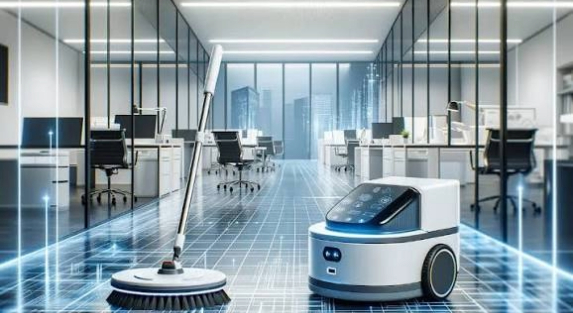
Smart Cleaning Technology: The Future of Commercial Cleaning Services

Introduction
The commercial cleaning industry has experienced a remarkable transformation over the past decade. With businesses placing greater emphasis on workplace hygiene, employee wellness, and operational efficiency, traditional cleaning methods are no longer enough. Modern commercial cleaning services are increasingly adopting smart cleaning technology to deliver better results, reduce costs, and create healthier environments.
From robotic vacuum cleaners and AI-powered scheduling systems to IoT-enabled monitoring devices and eco-friendly cleaning solutions, technology is reshaping how commercial spaces are maintained. Offices, hospitals, schools, shopping centers, warehouses, and industrial facilities now rely on innovative cleaning solutions that improve productivity while ensuring the highest standards of cleanliness.
This article explores how smart cleaning technology is revolutionizing commercial cleaning services, its key benefits, emerging trends, and why businesses should embrace these innovations for a cleaner and healthier future.
What Are Commercial Cleaning Services?
Commercial cleaning services refer to professional cleaning solutions designed specifically for businesses, organizations, and commercial properties. Unlike residential cleaning, commercial cleaning involves specialized equipment, trained staff, and customized cleaning schedules to maintain larger facilities.
Common services include:
- Office cleaning
- Carpet and upholstery cleaning
- Floor polishing and maintenance
- Window cleaning
- Restroom sanitation
- Disinfection services
- Warehouse cleaning
- Medical facility cleaning
- Industrial cleaning
- Post-construction cleaning
Today’s commercial cleaning companies are integrating smart technologies to make these services more effective and efficient.
The Rise of Smart Cleaning Technology
Technology has transformed nearly every industry, and commercial cleaning is no exception. Smart cleaning technology combines automation, artificial intelligence, sensors, robotics, and cloud-based software to improve cleaning performance.
Instead of relying solely on manual labor, modern commercial cleaning services use intelligent systems that can monitor cleanliness levels, automate repetitive tasks, and optimize cleaning schedules based on actual usage.
This shift helps businesses maintai[n consistently clean environments while reducing labor costs and improving overall efficiency.
Robotic Cleaning Machines
Robotic floor scrubbers and autonomous vacuum cleaners are becoming increasingly popular in commercial buildings.
These machines can:
- Navigate around obstacles
- Clean large floor areas independently
- Return automatically for charging
- Operate during off-hours
- Generate cleaning reports
Large shopping malls, airports, hospitals, and office buildings benefit significantly from robotic cleaning equipment.
Artificial Intelligence (AI)
Artificial Intelligence helps commercial cleaning companies make smarter decisions.
AI systems can analyze:
- Building occupancy
- Cleaning frequency
- High-traffic areas
- Equipment performance
- Employee productivity
Using AI, commercial cleaning services can optimize schedules and allocate resources where they are needed most.
Internet of Things (IoT)
IoT devices are transforming facility management.
Examples include:
- Smart soap dispensers
- Trash bin sensors
- Restroom occupancy sensors
- Air quality monitors
- Water leak detectors
These connected devices notify cleaning teams when maintenance is actually required, eliminating unnecessary cleaning visits.
Cloud-Based Cleaning Management
Cloud software allows cleaning managers to monitor operations remotely.
Features include:
- Employee attendance tracking
- Task assignments
- GPS monitoring
- Digital inspections
- Customer communication
- Real-time reporting
Businesses can monitor cleaning performance from anywhere.[[
UV-C Disinfection Technology
UV-C light technology is widely used in healthcare facilities and high-risk environments.
Benefits include:
- Kills bacteria
- Eliminates viruses
- Reduces chemical usage
- Fast room disinfection
- Improves workplace hygiene
Many modern commercial cleaning services now include UV disinfection as part of their cleaning packages.
Benefits of Smart Commercial Cleaning Services
Higher Cleaning Standards
Smart technology ensures consistent cleaning quality by following programmed routes, standardized procedures, and automated inspections.
Businesses receive better and more reliable results.
Increased Productivity
Automation allows cleaning staff to focus on specialized tasks while robots handle repetitive floor cleaning.
This significantly improves workforce productivity.
Reduced Labor Costs
Labor is one of the largest expenses in commercial cleaning.
Smart cleaning equipment helps reduce labor hours without compromising cleanliness.
Businesses benefit from long-term cost savings.
Better Resource Management
Smart cleaning systems optimize the use of:
- Water
- Cleaning chemicals
- Electricity
- Labor
- Equipment
This reduces waste and lowers operational costs.
Improved Health and Safety
Advanced disinfection technology helps eliminate harmful microorganisms from commercial spaces.
Cleaner workplaces result in:
- Fewer employee illnesses
- Improved indoor air quality
- Enhanced customer confidence
- Better workplace safety
Smart Cleaning in Different Industries
Office Buildings
Modern offices use intelligent cleaning systems to maintain workstations, conference rooms, kitchens, and restrooms.
Smart scheduling minimizes disruptions during working hours.
Healthcare Facilities
Hospitals require the highest level of sanitation.
Technology supports:
- Infection prevention
- Automated disinfection
- Air quality monitoring
- Surface contamination tracking
Professional commercial cleaning services help maintain compliance with healthcare hygiene standards.
Educational Institutions
Schools and universities benefit from:
- Automated floor cleaning
- Touchpoint disinfection
- Restroom monitoring
- Air purification
Healthy learning environments improve student well-being.
Retail Stores
Shopping centers experience heavy foot traffic.
Smart cleaning ensures:
- Spotless floors
- Sanitized restrooms
- Clean entrances
- Dust-free displays
Customers enjoy a more pleasant shopping experience.
Warehouses
Large warehouses require specialized cleaning solutions.
Robotic floor scrubbers efficiently clean thousands of square feet with minimal supervision.
Eco-Friendly Smart Cleaning
Sustainability has become a priority for businesses worldwide.
Modern commercial cleaning services now incorporate environmentally responsible practices such as:
- Green-certified cleaning products
- Water-saving equipment
- Energy-efficient machines
- Microfiber cleaning systems
- Reduced plastic waste
Smart technology helps companies achieve their sustainability goals while maintaining exceptional cleanliness.
Data-Driven Cleaning Decisions
One of the biggest advantages of smart technology is access to real-time data.
Cleaning companies can monitor:
- Cleaning frequency
- Customer feedback
- Equipment performance
- Staff productivity
- Supply inventory
- Maintenance schedules
Data helps managers continuously improve service quality.
Predictive Maintenance
Smart cleaning equipment can predict maintenance requirements before breakdowns occur.
Sensors monitor:
- Battery life
- Motor performance
- Water levels
- Brush wear
- Filter condition
Preventive maintenance reduces downtime and extends equipment lifespan.
Contactless Cleaning Solutions
The COVID-19 pandemic accelerated the demand for contactless cleaning technologies.
Examples include:
- Touch-free dispensers
- Sensor-operated faucets
- Automatic disinfectant sprayers
- Electrostatic sprayers
- Autonomous disinfecting robots
These innovations improve hygiene while reducing cross-contamination.
Challenges of Smart Cleaning Technology
Despite its many advantages, adopting smart cleaning technology comes with certain challenges.
Initial Investment
Advanced equipment requires significant upfront costs.
However, long-term savings usually outweigh the initial investment.
Employee Training
Cleaning staff must learn how to operate and maintain new technology.
Professional training ensures successful implementation.
Technology Maintenance
Regular software updates and equipment servicing are essential for reliable performance.
Future Trends in Commercial Cleaning Services
The future of commercial cleaning services will be shaped by even more advanced technologies.
Emerging trends include:
AI-Powered Predictive Cleaning
Artificial intelligence will determine exactly when and where cleaning is required.
Smart Building Integration
Cleaning systems will communicate directly with building management systems.
This creates fully automated facility maintenance.
Digital Twin Technology
Virtual building models will help cleaning companies simulate cleaning operations before deployment.
Advanced Robotics
Future robots will clean:
- Staircases
- Glass walls
- Furniture
- Bathrooms
- Outdoor spaces
Sustainable Innovation
The industry will continue reducing environmental impact through:
- Biodegradable chemicals
- Water recycling
- Solar-powered equipment
- Carbon-neutral operations
Choosing the Right Commercial Cleaning Service
When selecting a cleaning company, businesses should look for providers that offer:
- Smart cleaning technology
- Experienced professionals
- Eco-friendly practices
- Customized cleaning plans
- Transparent pricing
- Quality assurance programs
- Flexible scheduling
- Emergency cleaning services
A technology-driven cleaning partner delivers better long-term value.
Why Businesses Should Invest in Smart Commercial Cleaning
Clean workplaces directly influence employee productivity, customer satisfaction, and business reputation.
Technology allows organizations to:
- Improve hygiene standards
- Save operational costs
- Increase efficiency
- Support sustainability goals
- Enhance workplace safety
- Meet regulatory compliance
Investing in advanced commercial cleaning services is no longer a luxury—it has become a competitive necessity.
Conclusion
The future of commercial cleaning services lies in smart technology. Automation, artificial intelligence, robotics, IoT devices, and cloud-based management systems are transforming how businesses maintain clean, safe, and healthy environments.
Organizations that embrace these innovations enjoy improved operational efficiency, reduced costs, enhanced sustainability, and higher cleaning standards. As technology continues to evolve, commercial cleaning companies will deliver even more intelligent, data-driven, and environmentally responsible solutions.
Whether you manage an office, healthcare facility, retail store, educational institution, or industrial site, partnering with a provider that utilizes smart cleaning technology ensures your business remains hygienic, productive, and prepared for the future. By investing in advanced commercial cleaning services, businesses can create cleaner workplaces, protect employee health, and leave a lasting positive impression on clients and visitors alike.

More Posts
Post-Tenant Move-Outs: A Property Manage..
Smart Cleaning Technology: The Future of..
Top Gym Cleaning Trends Every Fitness Ce..
How Professional Cleaning Enhances Luxur..
Why Professional Carpet Cleaning Service..
Top Commercial Cleaning Trends Businesse..
